


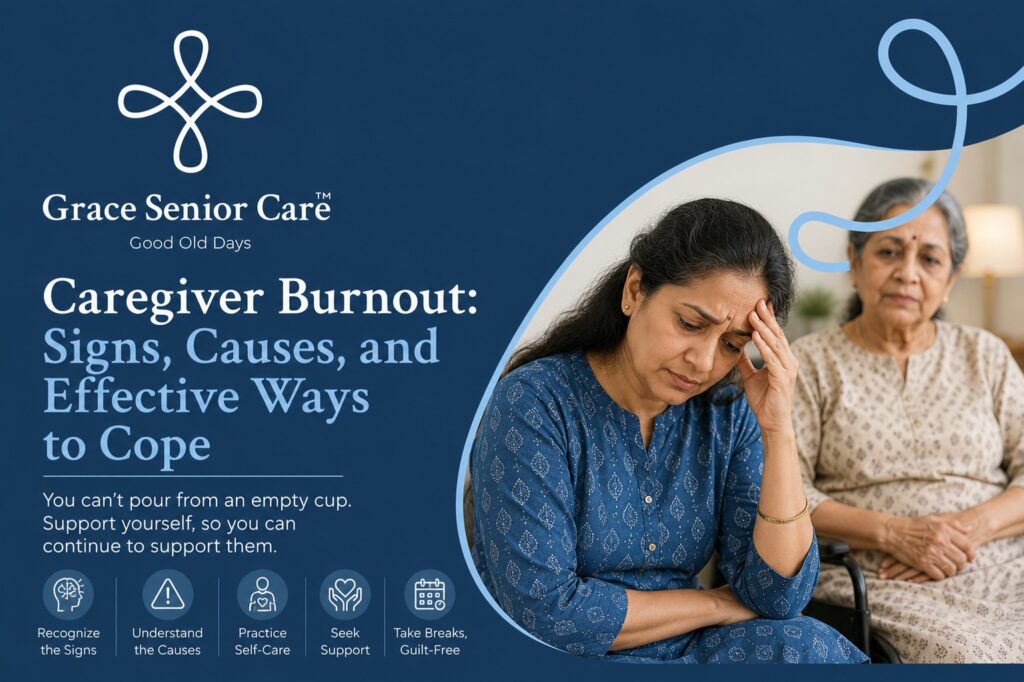
Caregiver Burnout: Signs, Causes, and Effective Ways to Cope
Caring for a loved one can be one of the most meaningful responsibilities in life. Whether supporting an aging parent, a spouse with chronic illness, or a family member recovering from surgery, caregiving often involves emotional, physical, and mental demands. Over time, these responsibilities can become overwhelming, leading to Caregiver Burnout.
Many caregivers focus entirely on the needs of others while ignoring their own well-being. This continuous stress can affect health, relationships, work performance, and emotional balance. Recognizing the early warning signs and learning healthy coping strategies is essential for maintaining both caregiver health and quality care for loved ones.
What Is Caregiver Burnout?
Caregiver Burnout is a condition of physical, emotional, and mental exhaustion caused by ongoing caregiving stress. It happens when caregivers become overwhelmed and neglect their own rest, health, and personal needs. Over time, this stress can lead to fatigue, anxiety, frustration, and emotional exhaustion.
Common Caregiver Burnout Symptoms
Understanding caregiver burnout symptoms is important because many caregivers fail to recognize the condition until it becomes severe. Symptoms can affect emotional health, physical health, and daily functioning.
Emotional Symptoms
Emotional changes are often among the earliest signs of burnout. Caregivers may feel: Constant sadness, emotional exhaustion, irritability, anxiety, mood swings, hopelessness, loss of motivation, and increased frustration can all be emotional signs of caregiver burnout.
Some caregivers may also experience guilt, especially when they feel frustrated or wish for personal time away from caregiving duties.
Physical Symptoms
Long-term stress can impact the body significantly. Common physical caregiver burnout symptoms include: Chronic fatigue, headaches, body pain, poor sleep, appetite changes, frequent illnesses, and stress-related health problems are common physical symptoms of caregiver burnout.
Physical exhaustion can reduce the caregiver’s ability to provide effective care and increase the risk of long-term health complications.
Behavioral Symptoms
Burnout can also affect daily habits and relationships. Warning signs may include: Social withdrawal, loss of interest in hobbies, unhealthy coping habits, poor concentration, neglect of responsibilities, and impatience are common behavioral signs of caregiver burnout.
Recognizing these symptoms early can help caregivers seek support before burnout becomes severe.
Causes of Caregiver Burnout
Understanding the causes of caregiver burnout can help families and caregivers identify areas where support is needed. Burnout rarely develops from a single issue. Instead, it usually results from multiple emotional, physical, and practical challenges combined over time.
Constant Physical Demands
Daily caregiving tasks like bathing, feeding, mobility support, and medication management can be physically exhausting. Continuous caregiving without enough rest often leads to fatigue and burnout.
Emotional Stress
Watching a loved one struggle with illness or aging can cause sadness, worry, and emotional strain. Over time, these feelings may contribute to caregiver burnout.
Lack of Personal Time
Many caregivers sacrifice hobbies, social life, and relaxation to meet caregiving responsibilities. Lack of self-care can increase both physical and emotional exhaustion.
Financial Pressure
Medical expenses, reduced work hours, or leaving a job for caregiving can create financial stress. This added pressure may worsen anxiety and burnout.
Lack of Support
Caregivers who receive little help from family or friends often feel isolated and overwhelmed. Managing responsibilities alone can increase stress and frustration.
Unrealistic Expectations
Some caregivers expect themselves to handle every challenge perfectly without help. These unrealistic expectations can lead to guilt, stress, and emotional exhaustion.
Accepting that caregiving is challenging and seeking help when needed is important for long-term well-being.
The Impact of Caregiver Burnout
Untreated burnout can affect every aspect of a caregiver’s life. Physical health may decline due to stress-related illnesses, poor sleep, and exhaustion. Emotional burnout can contribute to anxiety and depression.
Relationships with family members may become strained, especially when caregivers feel unsupported. Work performance can also suffer due to fatigue and emotional stress.
Most importantly, severe burnout may reduce the caregiver’s ability to provide safe and compassionate care. This is why recognizing symptoms and finding healthy coping strategies is essential.
How to Prevent Caregiver Burnout
Learning how to prevent caregiver burnout can help caregivers maintain balance while continuing to provide quality care. Prevention focuses on creating healthy routines, building support systems, and prioritizing personal well-being.
Accept Help from Others
Seeking help from family, friends, or community services can reduce caregiving stress. Even small support with daily tasks can make caregiving easier.
Set Realistic Expectations
No caregiver can handle everything perfectly. Setting realistic goals and understanding personal limits helps reduce pressure and stress.
Take Regular Breaks
Short breaks help caregivers rest mentally and physically. Relaxation time or respite care can improve energy and emotional balance.
Maintain Physical Health
Healthy eating, exercise, proper sleep, and regular checkups help caregivers stay physically strong and manage stress better.
Stay Socially Connected
Talking with friends, family, or support groups can reduce feelings of loneliness. Emotional support plays an important role in preventing burnout.
Learn About the Illness
Understanding the loved one’s condition helps caregivers feel more prepared and confident. Knowledge can reduce stress and improve caregiving decisions.
Effective Ways to Cope with Caregiver Burnout
Finding Effective ways to cope is important when caregiving stress becomes overwhelming. Healthy coping strategies can improve emotional resilience and overall well-being.
Practice Self-Care Without Guilt
Taking time to rest and enjoy personal activities helps caregivers reduce stress and maintain emotional balance. Self-care is essential for healthy caregiving.
Join a Caregiver Support Group
Support groups allow caregivers to share experiences, advice, and emotional support with others facing similar challenges.
Seek Professional Counseling
Counselors and therapists can help caregivers manage stress, anxiety, grief, and emotional exhaustion more effectively.
Create a Daily Routine
Organizing daily caregiving tasks and schedules can reduce stress and help caregivers feel more in control.
Focus on Stress-Relief Techniques
Activities like meditation, deep breathing, yoga, or listening to calming music can help reduce stress and improve emotional well-being.
Recognize When Additional Help Is Needed
Professional caregiving services or home healthcare support can reduce caregiver exhaustion and improve overall care quality.
When to Seek Immediate Help ?
Caregivers should seek professional support if they experience:
- Severe depression or anxiety
- Thoughts of self-harm
- Extreme exhaustion
- Inability to perform daily activities
- Frequent anger or emotional outbursts
- Serious physical health symptoms
Early intervention can prevent long-term health complications and improve overall well-being.
Conclusion
Caregiver Burnout can affect both physical and emotional well-being if caregiving stress is ignored for too long. Recognizing caregiver burnout symptoms, understanding the causes of caregiver burnout, and learning how to prevent caregiver burnout are important for maintaining a healthy balance. By practicing self-care, seeking support, and finding Effective ways to cope, caregivers can protect their health while continuing to provide compassionate care for their loved ones.
CONTACT US
Address : 50/24, Banashankri 6th phase, Hemmigepura, Bangalore 560060
Contact : 1800-10-20-21
Mail id : wecare@gracevive.com
FAQs
1.How do I know if I am experiencing caregiver burnout?
Feeling constantly tired, emotionally overwhelmed, irritable, or disconnected from daily activities may indicate caregiver burnout.
2.Can caregiver burnout affect physical health?
Yes, long-term caregiving stress can lead to headaches, poor sleep, weakened immunity, high blood pressure, and chronic fatigue.
3.Who is most at risk for caregiver burnout?
Family members providing long-term care without enough emotional, physical, or financial support are more likely to experience burnout.
4. Can taking short breaks really help caregivers?
Yes, regular short breaks can reduce stress, improve mental clarity, and help caregivers recharge emotionally and physically.
5. Are support groups helpful for caregivers?
Support groups provide emotional comfort, practical advice, and a sense of connection with others facing similar caregiving challenges.


