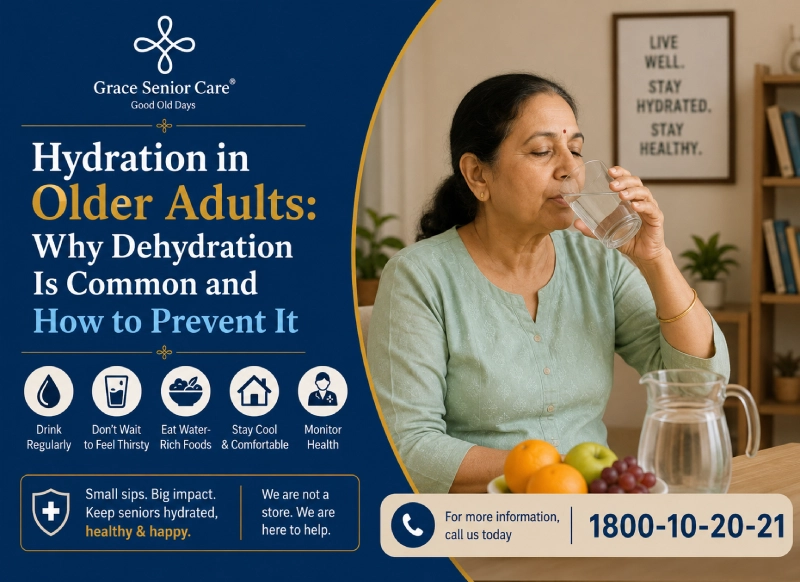
Dementia can significantly affect a person’s ability to eat and drink safely. As the condition progresses, many individuals experience confusion, reduced appetite, swallowing difficulties, or resistance to meals. These issues are often referred to as feeding challenges in dementia, and they can lead to poor nutrition, dehydration, and weight loss if not managed properly. Understanding feeding […]
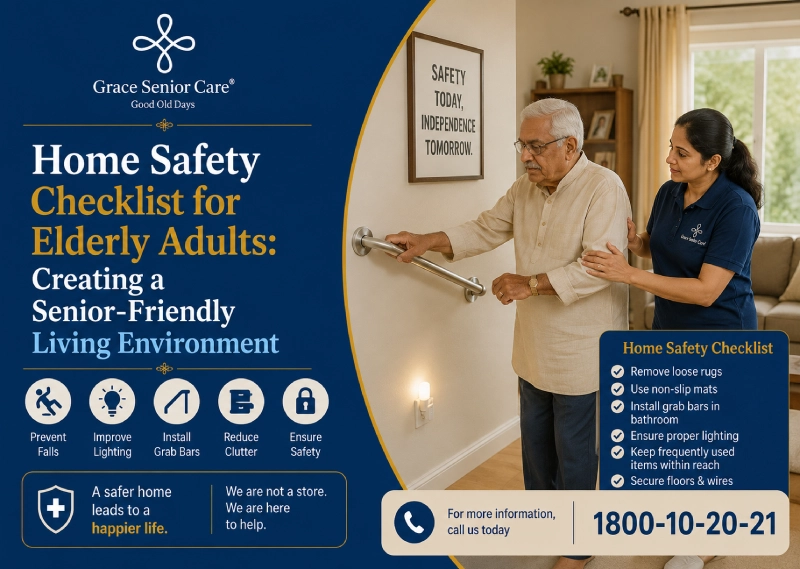
Falls in elderly are one of the most common and serious health risks among older adults. A simple slip or trip can lead to fractures, head injuries, or long recovery periods that significantly affect independence and quality of life. However, most falls are preventable with the right awareness and lifestyle changes. Understanding fall prevention for […]
Urinary incontinence is a common but often under-discussed health concern among older adults. It can affect comfort, confidence, hygiene, and overall quality of life. While many people assume it is a normal part of aging, urinary incontinence is usually a sign of an underlying issue that can often be managed or improved with proper care. […]
Understanding the difference between Delirium and Dementia is essential, especially when caring for older adults. Both conditions affect memory, thinking, and behavior, but they are not the same. Confusing one for the other can delay the right treatment and lead to serious complications. By learning how to recognise delirium and dementia, you can respond quickly […]
Sleep is essential at every stage of life, yet poor sleep in the elderly is one of the most common concerns affecting overall health and well-being. Many families notice sleep problems in older adults, but often assume it is just a normal part of aging. While sleep patterns do change with age, persistent sleep disturbance […]
Ensuring quality and safety in elderly care facilities is one of the most important aspects of modern healthcare systems. As the global population ages, the demand for reliable and compassionate elderly care facilities continues to grow. Families expect not only comfort and dignity for their loved ones but also strict adherence to safety standards and […]
As people age, their skin becomes thinner, less elastic, and more vulnerable to damage. Combined with reduced mobility and underlying health conditions, this makes older adults particularly susceptible to pressure injuries. Commonly known as bedsores or pressure ulcers, these injuries can significantly affect quality of life if not prevented early. Understanding pressure injuries in older […]
Integrated Care in Geriatrics: Advancing Toward an Age-Friendly Healthcare System As populations age worldwide, healthcare systems are facing a critical transformation. The increasing number of older adults brings unique medical, social, and emotional challenges that cannot be addressed through fragmented or episodic care. This shift has made integrated care in geriatrics not just important, but […]
What Are Geriatric Syndromes? Geriatric syndromes are a group of health conditions commonly seen in older adults that develop due to the combined effects of aging, chronic diseases, reduced physical strength, medication use, and changes in mental health. Unlike a single illness that affects one organ, these conditions usually involve multiple body systems and can […]
Menopause is a natural stage in a woman’s life that marks the end of menstrual cycles and reproductive years. It usually occurs between the ages of 45 and 55, but its effects can continue into older age. While menopause is a normal biological process, the physical, emotional, and mental changes associated with it can significantly […]