


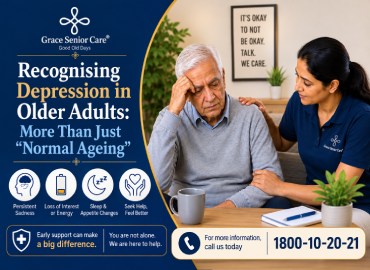
Recognising Depression in Older Adults: More Than Just “Normal Ageing”
When we think about growing older, we often picture a natural slowing down less energy, more aches, quieter days. So when an elderly parent or grandparent seems withdrawn, tired all the time, or uninterested in things they once loved, it’s easy to brush it off as “just old age.” But this assumption can be dangerous. What looks like typical ageing might actually be geriatric depression, a real and treatable medical condition that too often goes unnoticed in our senior population.
Why Recognising Depression in Older Adults Is So Difficult
Recognising Depression in Older Adults is not always straightforward, and that’s exactly why it’s so frequently missed. Unlike younger people, older adults may not openly say they feel sad or hopeless. Instead, they might complain of unexplained body pain, poor sleep, fatigue, or a loss of appetite. Family members, and sometimes even doctors, mistake these physical symptoms for the natural wear and tear of ageing, arthritis, or other chronic illnesses. This overlap between physical and emotional symptoms is one of the biggest reasons old age depression is under-diagnosed and under-treated.
Another challenge is that many seniors grew up in a time when mental health wasn’t openly discussed. Admitting to depression can feel like weakness or a burden to their family, so they mask it well, smiling during visits, insisting they’re “fine,” while quietly struggling behind closed doors.
Signs That Go Beyond “Normal Ageing”
It’s true that slowing down physically is a part of ageing. But depression in older people shows up differently, and knowing the difference can make all the difference. Watch for:
- Persistent sadness or emptiness lasting more than two weeks
- Loss of interest in hobbies, social visits, or activities they used to enjoy
- Withdrawal from family and friends, avoiding phone calls or gatherings
- Changes in sleep patterns — sleeping too much or struggling with insomnia
- Unexplained aches, digestive issues, or fatigue with no clear medical cause
- Trouble concentrating or making decisions, sometimes mistaken for memory loss
- Neglecting personal hygiene or daily routines
- Talking about feeling like a burden or expressing hopelessness
If several of these signs persist for weeks, it’s worth looking closer rather than assuming it’s simply age catching up.
Why Depression in Elderly People Often Gets Overlooked
Depression in elderly people is frequently tangled up with other health conditions — heart disease, diabetes, chronic pain, or the early stages of dementia. Medications for these conditions can also contribute to mood changes, making it harder to pinpoint depression as a separate issue. Add to this the emotional impact of losing a spouse, friends, or independence, and it becomes clear why so many seniors quietly carry this burden without anyone realising something is wrong.
Social isolation plays a huge role too. Adult children move away, mobility becomes limited, and once-active social circles shrink. Loneliness and depression feed into each other, creating a cycle that can be hard to break without support.
Why Early Recognition Matters
Untreated old age depression doesn’t just affect mood — it can worsen physical health, slow recovery from illness or surgery, increase the risk of falls, and even contribute to cognitive decline. On the other hand, when depression in older people is identified early, it responds well to treatment. Counselling, social engagement, physical activity, and, when needed, medication can dramatically improve quality of life.
Families play a crucial role here. Simple steps like checking in regularly, encouraging physical movement, involving elders in family decisions, and gently opening conversations about how they’re really feeling can go a long way. If sadness, withdrawal, or unexplained physical complaints persist, it’s time to consult a healthcare professional rather than waiting it out.
Getting the Right Support
Depression in elderly people is not a character flaw, nor is it something to simply “push through.” It is a medical condition deserving the same attention as any physical ailment. If you notice these signs in a loved one, don’t dismiss them as ordinary ageing. Reach out to a healthcare provider who can properly assess and guide the next steps.
For families in Bengaluru looking for compassionate, experienced care for elderly health concerns, Grace Senior Care is here to help. Their team understands the unique physical and emotional needs of older adults and can guide you toward the right path for diagnosis and support.
Grace Senior Care
📞 1800-10-20-21
✉️ wecare@gracevive.com
📍 50/24, Banashankri 6th Phase, Hemmigepura, Bangalore 560060
Frequently Asked Questions
- What is the difference between normal ageing and geriatric depression? Normal ageing may bring slower movement or occasional low moods, but geriatric depression involves persistent sadness, loss of interest, and changes in sleep or appetite lasting for weeks, not just occasional off days.
- What are the early signs of depression in older people? Early signs include withdrawal from social activities, unexplained fatigue, irritability, trouble sleeping, and a noticeable loss of interest in things they once enjoyed.
- Can physical illnesses cause depression in elderly people? Yes. Chronic conditions like heart disease, diabetes, and arthritis, along with certain medications, can contribute to or worsen depressive symptoms in seniors.
- Is old age depression treatable? Absolutely. With counselling, social support, lifestyle changes, and sometimes medication, most seniors see significant improvement in their mood and daily functioning.
- When should I take a loved one to see a doctor? If sadness, withdrawal, or physical complaints persist for more than two weeks and interfere with daily life, it’s time to consult a healthcare professional for a proper evaluation.


