Osteoporosis and Its Risks in Elderly
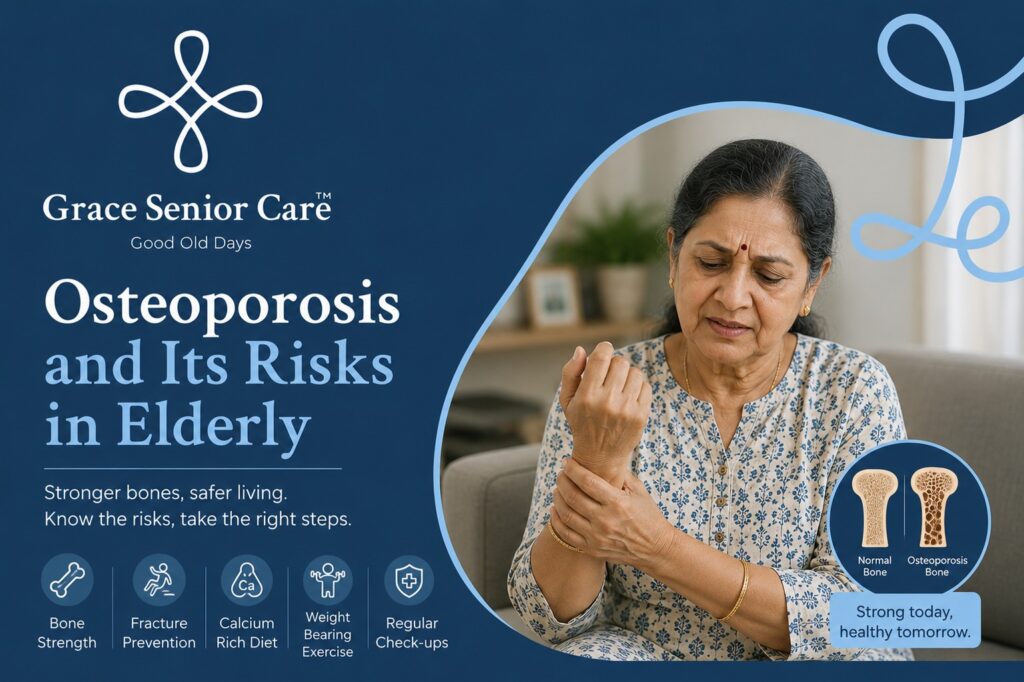
As people age, maintaining strong and healthy bones becomes increasingly important. One of the most common bone-related health conditions affecting older adults is osteoporosis. Often called a “silent disease,” osteoporosis gradually weakens the bones without noticeable symptoms until a fracture occurs. Understanding osteoporosis risks in elderly individuals is essential for early prevention, timely diagnosis, and proper treatment.
What is Osteoporosis?
Osteoporosis is a condition in which bones become thin, brittle, and fragile due to loss of bone density. Healthy bones constantly rebuild themselves, but with age, bone loss can happen faster than bone formation. This imbalance leads to weakened bones that can break easily even from minor falls, bending, or coughing.
The condition commonly affects the hips, spine, and wrists. While osteoporosis can affect both men and women, it is more common among postmenopausal women due to hormonal changes that accelerate bone loss.
Why Osteoporosis is Common in Elderly Adults
Osteoporosis in elderly individuals is extremely common because bone density naturally decreases with age. After the age of 30, bones slowly begin losing minerals like calcium and phosphorus. In older adults, this process speeds up due to reduced physical activity, nutritional deficiencies, hormonal changes, and chronic illnesses.
Elderly adults are also more prone to balance problems, muscle weakness, and falls, increasing the chances of fractures caused by osteoporosis. Since healing becomes slower with age, even a small fracture can significantly affect mobility and quality of life.
Major Osteoporosis Risk Factors
Several factors contribute to increased osteoporosis risk in older adults. Some risks are unavoidable, while others can be managed through lifestyle changes and medical care.
1. Aging
Age is the biggest factor associated with osteoporosis. Bone density naturally decreases as people grow older, making seniors more vulnerable to fractures and bone weakness.
2. Hormonal Changes
Women experience rapid bone loss after menopause due to decreased estrogen levels. Similarly, lower testosterone levels in older men can also contribute to bone thinning.
3. Calcium and Vitamin D Deficiency
Calcium is essential for strong bones, while vitamin D helps the body absorb calcium properly. Poor nutrition or reduced sunlight exposure in elderly individuals can increase osteoporosis risks in elderly adults.
4. Lack of Physical Activity
Regular exercise strengthens bones and muscles. Elderly individuals who lead sedentary lifestyles are at higher risk of developing osteoporosis and fractures.
5. Family History
A family history of osteoporosis or fractures can increase the likelihood of developing the condition.
6. Smoking and Alcohol Consumption
Smoking weakens bone tissue and reduces calcium absorption. Excessive alcohol intake also interferes with bone formation and increases fall risk.
7. Chronic Medical Conditions
Diseases such as arthritis, thyroid disorders, kidney disease, and diabetes may contribute to bone loss. Certain medications, including long-term steroid use, can also increase osteoporosis risk.
Common Symptoms of Osteoporosis
In many cases, osteoporosis develops silently without early warning signs. Symptoms usually appear only after significant bone loss has occurred.
Common symptoms include:
- Back pain caused by spinal fractures
- Loss of height over time
- Stooped posture
- Weak and fragile bones
- Frequent fractures from minor falls
- Reduced mobility due to pain or fractures
Because symptoms may remain unnoticed for years, regular bone health screenings are important for elderly adults.
Osteoporosis Risks in Elderly Adults
The biggest concern associated with osteoporosis is the increased risk of fractures. These fractures can severely affect independence, mobility, and overall health.
1. Hip Fractures
Hip fractures are among the most serious osteoporosis risks in elderly individuals. A fall that might cause only minor bruising in a younger person can result in a severe hip fracture in elderly adults with osteoporosis.
Hip fractures often require surgery and long recovery periods. Many seniors may struggle to regain full mobility afterward, increasing dependence on caregivers.
2. Spine Fractures
Osteoporosis can weaken the spinal bones, leading to compression fractures. These fractures may cause severe back pain, posture changes, and breathing difficulties due to spinal curvature.
3. Wrist Fractures
Wrist fractures commonly occur when elderly individuals try to break a fall using their hands. Fragile bones increase the likelihood of fractures even from mild impact.
4. Loss of Independence
One of the most significant osteoporosis risks in elderly individuals is loss of independence. Fractures may limit mobility, making it difficult for seniors to perform daily activities such as walking, bathing, dressing, or cooking.
5. Increased Risk of Falls
Osteoporosis itself may not directly cause falls, but weak bones combined with poor balance and muscle weakness can create a dangerous cycle of repeated falls and fractures.
6. Emotional and Mental Health Impact
Living with chronic pain and limited mobility can affect emotional well-being. Many elderly adults experience anxiety, fear of falling, depression, and social isolation after fractures.
7. Complications During Recovery
Healing takes longer in older adults. Prolonged bed rest after fractures can increase the risk of infections, blood clots, muscle loss, and reduced overall health.
Diagnosis of Osteoporosis
Early diagnosis helps prevent fractures and complications. Doctors may recommend several tests to assess bone health.
Bone Density Test
A bone mineral density (BMD) scan, commonly called a DEXA scan, measures bone strength and helps diagnose osteoporosis.
Medical Evaluation
Doctors may review medical history, medications, diet, physical activity levels, and family history to assess osteoporosis risk.
Blood Tests
Blood tests may be done to identify calcium deficiency, vitamin D deficiency, or hormonal imbalances contributing to bone loss.
Preventing Osteoporosis in Elderly Adults
Although aging cannot be stopped, several lifestyle changes can help reduce osteoporosis risk and maintain stronger bones.
Healthy Diet for Bone Strength
Nutrition plays a major role in bone health.
Calcium-Rich Foods
Elderly adults should include calcium-rich foods like Milk and dairy products, Green leafy vegetables, Almonds, Tofu, Sesame seeds
Vitamin D Intake
Vitamin D supports calcium absorption. Sunlight exposure and foods like eggs, fish, and fortified milk can help maintain adequate vitamin D levels.
Protein and Nutrients
Adequate protein, magnesium, and phosphorus also contribute to stronger bones and muscles.
Fall Prevention Tips for Elderly Adults
Preventing falls is essential for seniors with osteoporosis.
Home Safety Measures
Remove loose rugs and clutter, Install grab bars in bathrooms, Ensure proper lighting, Use non-slip footwear
Regular Vision and Hearing Checks
Poor vision and hearing can increase fall risk. Routine checkups help improve safety and mobility.
Use of Walking Aids
Canes or walkers may provide additional support for seniors with balance issues.
Treatment Options for Osteoporosis
Treatment focuses on slowing bone loss, improving bone strength, and preventing fractures.
Medications
Doctors may prescribe medications that help maintain or increase bone density. These medications can reduce fracture risk significantly.
Calcium and Vitamin D Supplements
Supplements are often recommended when dietary intake is insufficient.
Hormone Therapy
In some cases, hormone-related treatments may help reduce bone loss, especially in postmenopausal women.
Physical Therapy
Physical therapy can improve posture, balance, strength, and mobility in elderly adults with osteoporosis.
Conclusion
Osteoporosis in elderly adults weakens bones and increases the risk of fractures, pain, and mobility problems. Early diagnosis, healthy nutrition, exercise, and fall prevention can help reduce osteoporosis risks in elderly individuals and support healthier aging.
CONTACT US
Address : 50/24, Banashankri 6th phase, Hemmigepura, Bangalore 560060
Contact : 1800-10-20-21
Mail id : wecare@gracevive.com
FAQs
1. Why is osteoporosis common in elderly adults?
Bone density naturally decreases with age, increasing the risk of osteoporosis in elderly individuals.
2. What are the common osteoporosis risks in elderly adults?
Common risks include aging, calcium deficiency, lack of exercise, hormonal changes, smoking, and chronic illnesses.
3. What are the symptoms of osteoporosis?
Symptoms may include back pain, loss of height, weak bones, and frequent fractures.
4. Which bones are most affected by osteoporosis?
Osteoporosis commonly affects the hips, spine, and wrists.
5. How can osteoporosis be prevented?
A healthy diet, regular exercise, vitamin D, calcium intake, and fall prevention can help reduce osteoporosis risk.
6. Can osteoporosis be treated?
Yes, medications, supplements, physical therapy, and lifestyle changes can help manage osteoporosis.


