


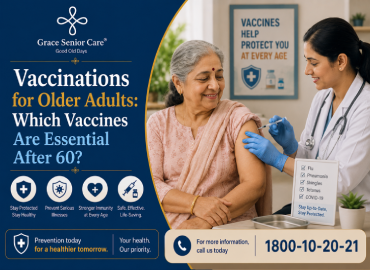
Vaccinations for Older Adults: Which Vaccines Are Essential After 60?
Turning 60 comes with a lot of good things — more time for family, hobbies, and finally slowing down a little. But it also comes with a quiet shift in how your immune system works. As we age, our natural defences don’t respond to infections the way they used to, which is exactly why Vaccinations for Older Adults deserve real attention, not an afterthought. If you’ve been putting off that vaccine reminder from your doctor, this is a good time to understand why it matters.
Why Vaccination Matters More After 60
Immunity naturally weakens with age, a process doctors call immunosenescence. This means older adults are more likely to catch infections, and more likely to develop serious complications from illnesses that a younger person might shrug off in a few days. A common cold can turn into pneumonia. The flu can lead to hospitalization. This is precisely why understanding Which Vaccines Are Essential After 60 isn’t just useful information — it can genuinely be lifesaving.
Chronic conditions like diabetes, heart disease, and lung disease, which become more common with age, only add to this risk. Staying up to date with the right vaccines is one of the simplest, most effective ways to protect yourself from illnesses that could otherwise land you in a hospital bed.
Essential Vaccines to Consider After 60
1. Influenza (Flu) Vaccine
The flu virus changes every year, which is why an annual flu shot is recommended. For seniors, flu complications can be severe, including pneumonia and worsening of existing heart or lung conditions. A yearly dose, ideally before the colder months set in, offers meaningful protection.
2. Pneumococcal Vaccine
Pneumococcal disease can cause pneumonia, bloodstream infections, and even meningitis. Older adults are at higher risk of severe outcomes, making this vaccine a key part of any vaccination for senior citizens plan. Depending on your health history, your doctor may recommend one or a combination of pneumococcal vaccines.
3. Shingles (Herpes Zoster) Vaccine
If you’ve had chickenpox earlier in life, the virus stays dormant in your body and can resurface as shingles — a painful rash that can lead to long-term nerve pain. The shingles vaccine significantly reduces this risk and is strongly recommended for older adults.
4. Tdap/Td (Tetanus, Diphtheria, Pertussis) Booster
Many adults assume childhood vaccinations are enough for life, but immunity fades over time. A Td booster every ten years, or a Tdap dose if you haven’t had one as an adult, helps guard against tetanus, diphtheria, and whooping cough.
5. COVID-19 Vaccine
COVID-19 continues to pose a higher risk to older adults, particularly those with underlying health conditions. Staying current with recommended COVID-19 doses remains an important part of protecting yourself, especially heading into respiratory illness season.
6. RSV (Respiratory Syncytial Virus) Vaccine
RSV isn’t just a childhood illness — it can cause serious respiratory infections in older adults too. A single-dose RSV vaccine is now part of the recommended vaccines for adults over 60, particularly for those with chronic heart or lung conditions.
Building a Vaccination Plan That Works for You
Not every vaccine is one-size-fits-all. Your doctor will consider your medical history, current health conditions, previous vaccinations, and lifestyle before recommending a personalised schedule. If you’re managing diabetes, heart disease, or a compromised immune system, some vaccines may be even more important for you specifically.
A simple way to stay organized is to keep a written record of every vaccine you’ve received and when. This makes it far easier for your doctor to identify what’s due and avoid unnecessary repeat doses.
A Small Step With a Big Impact
Staying protected after 60 doesn’t require drastic lifestyle changes; it starts with a conversation with your doctor and a few timely vaccinations. Think of it as maintenance for your immune system, the same way you’d service a car to keep it running smoothly for years to come. Vaccinations for Older Adults aren’t about fearing illness; they’re about giving yourself the freedom to enjoy this stage of life with fewer health interruptions.
If you or a loved one is due for a check-up or unsure which vaccines you need, Grace Senior Care is here to help guide you through a personalised, age-appropriate vaccination plan.
Grace Senior Care
📞 1800-10-20-21
📧 wecare@gracevive.com
📍 50/24, Banashankri 6th phase, Hemmigepura, Bangalore 560060
Frequently Asked Questions
- At what age should I start prioritising vaccinations? While vaccines matter at every age, doctors generally recommend paying closer attention from age 60 onwards, as the immune system weakens and the risk of complications from common infections rises.
- Are these vaccines safe for people with chronic illnesses? Yes, in most cases. In fact, vaccines are often even more important for people with chronic conditions like diabetes or heart disease, since they’re more vulnerable to severe complications. Your doctor will guide you based on your specific health profile.
- Do I need to repeat vaccines I received as a child or younger adult? Some vaccines, like the Tdap/Td booster, need to be repeated periodically since immunity fades over time. Others, like the shingles vaccine, are specifically recommended later in life regardless of childhood vaccination history.
- Can I get multiple vaccines on the same day? Yes, many vaccines can be safely administered together. Your doctor will advise the best combination and schedule based on your health needs.
- How do I know which vaccines I actually need? The easiest way is to consult your doctor with your vaccination history. A quick review of your records and current health status will help determine exactly which vaccines are essential for you right now.


