


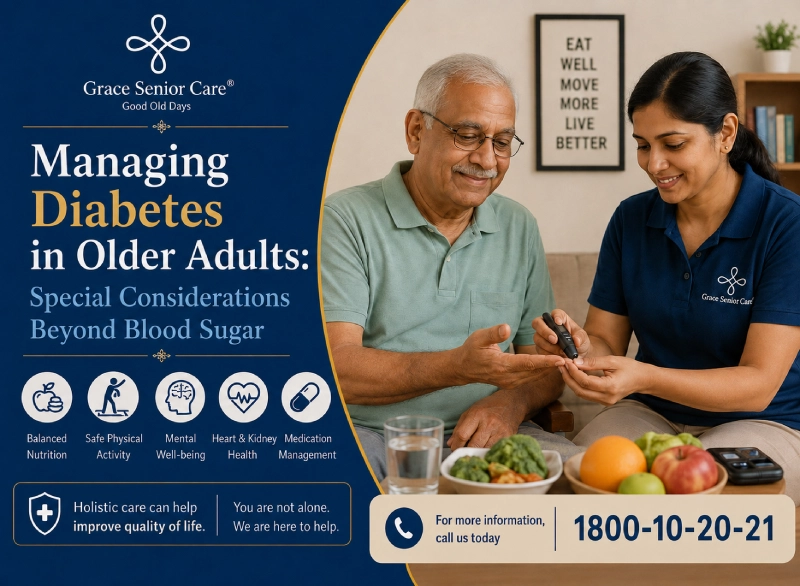
Managing Diabetes in Older Adults: Special Considerations Beyond Blood Sugar
When we talk about diabetes, the conversation almost always circles back to one thing: blood sugar numbers. But diabetes management in older adults is a lot more layered than just watching glucose levels. As we age, our bodies respond differently to medications, our nutritional needs shift, and the risk of complications changes shape entirely. That’s why elderly diabetes care has to look beyond the glucometer and consider the whole person.
Why Diabetes Care for Seniors Looks Different
A 70-year-old managing diabetes isn’t facing the same challenges as someone diagnosed in their 30s. Diabetes care for seniors needs to account for slower metabolism, reduced kidney function, multiple coexisting health conditions, and sometimes cognitive changes that make it harder to stick to a routine. This is why managing diabetes in elderly patients requires a more individualized, patient-first approach rather than a one-size-fits-all treatment plan.
For instance, aggressive blood sugar targets that work well for younger patients can actually be risky for older adults, increasing the chances of dangerous low blood sugar episodes. Blood sugar control in seniors should be balanced carefully, keeping in mind their overall health, life expectancy, and ability to recognize and respond to symptoms.
Watching Out for Complications
One of the biggest concerns with aging and diabetes is the compounding effect of complications. Diabetes complications in older adults often include vision problems, nerve damage, poor wound healing, and a higher risk of heart disease or stroke. Add in age-related issues like reduced mobility or arthritis, and even small complications can significantly affect quality of life.
This is where geriatric diabetes management becomes so important. It’s not just about treating diabetes in isolation — it’s about coordinating care across multiple specialists, from cardiologists to podiatrists, to make sure nothing slips through the cracks.
Lifestyle Still Matters — Maybe Even More
It’s easy to assume that lifestyle changes take a back seat once someone is older and already on medication. That couldn’t be further from the truth. A healthy lifestyle for diabetic seniors remains one of the most powerful tools available. Gentle physical activity like walking, light stretching, or chair exercises can improve insulin sensitivity and support joint health at the same time.
Diabetes and aging also bring changes in appetite, taste, and digestion, which is why nutrition needs to be revisited regularly. Some practical diet tips for older adults with diabetes include eating smaller, more frequent meals, choosing high-fiber whole grains, prioritizing lean protein for muscle maintenance, and staying well-hydrated — since older adults are more prone to dehydration, which can affect blood sugar readings.
Getting Medication Management Right
As people age, they’re often managing several prescriptions at once, not just diabetes medication. This makes diabetes medication management for seniors a genuine challenge. Missed doses, drug interactions, and side effects like dizziness or low blood sugar are more common and can have serious consequences, including falls.
Family members and caregivers play a huge role here — pill organizers, reminder apps, or simple daily check-ins can go a long way in keeping medication schedules on track. Regular reviews with a doctor to simplify or adjust prescriptions are equally valuable as health needs evolve.
Don’t Skip the Checkups
It’s tempting to think that once a treatment plan is in place, things can run on autopilot. But the importance of regular diabetes checkups cannot be overstated, especially for older adults. Routine visits allow doctors to catch early signs of complications, adjust medications proactively, and monitor kidney function, eye health, and foot care — all areas that can quietly deteriorate without warning signs.
Preventing diabetes complications in elderly patients often comes down to consistency: regular screenings, timely interventions, and open communication between the patient, family, and care team.
A Well-Rounded Approach Makes the Difference
At the end of the day, comprehensive diabetes care for elderly patients isn’t just about hitting a target A1C number. It’s about protecting independence, preserving quality of life, and reducing the everyday risks that come with aging alongside a chronic condition. Senior citizen diabetes treatment works best when it’s built around the individual — their routines, their support system, and their personal health goals.
If you or a loved one is navigating diabetes later in life, working closely with a trusted care team can make all the difference. Grace Senior Care offers experienced, patient-centered support for older adults managing diabetes and related health concerns, helping families feel confident every step of the way.
Get in touch with Grace Senior Care:
📞 1800-10-20-21
✉️ wecare@gracevive.com
📍 50/24, Banashankri 6th Phase, Hemmigepura, Bangalore 560060
Frequently Asked Questions
- What’s different about diabetes management in older adults compared to younger patients? Older adults often have slower metabolisms, multiple health conditions, and a higher sensitivity to medication side effects, so treatment plans need to be more individualized and less aggressive with blood sugar targets.
- What blood sugar range is considered safe for seniors with diabetes? This varies by individual, but doctors generally set slightly more relaxed targets for older adults to reduce the risk of hypoglycemia, especially in those with other health conditions.
- How can families help with diabetes medication management for seniors? Using pill organizers, setting reminders, attending doctor visits together, and keeping an updated medication list can help prevent missed doses and dangerous drug interactions.
- What lifestyle changes are most effective for diabetic seniors? Gentle regular exercise, a fiber-rich and balanced diet, proper hydration, and consistent sleep patterns all support better blood sugar control and overall health.
- How often should older adults with diabetes get checkups? Most doctors recommend checkups every three to six months,


