


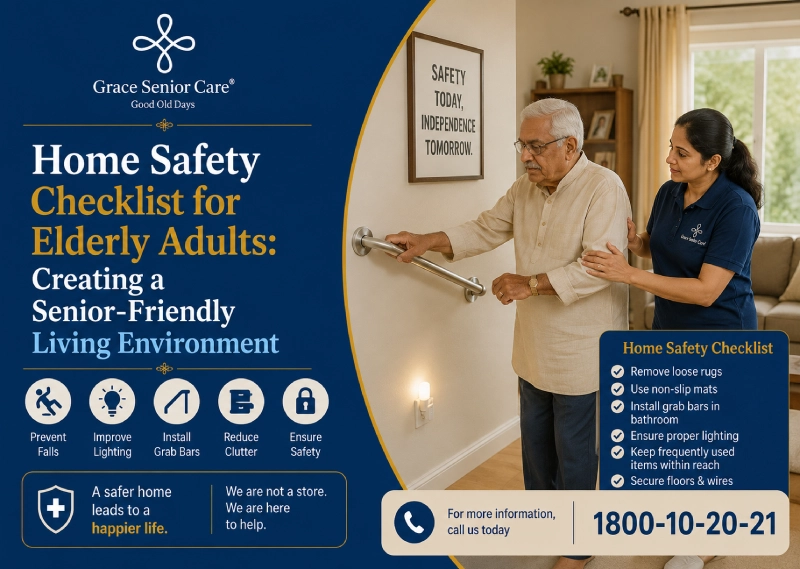
Home Safety Checklist for Elderly Adults: Creating a Senior-Friendly Living Environment
As our parents and grandparents grow older, most of them share one simple wish to stay in the home they love, surrounded by familiar memories. This desire, often called aging in place, is entirely possible when the right precautions are taken. Home safety for seniors isn’t about turning a house into a hospital; it’s about making thoughtful, practical changes that reduce risk while preserving comfort and independence.
Whether you’re a caregiver, a family member, or a senior planning ahead, this guide walks you through the essentials of building a safe home environment for elderly loved ones.
Why Home Safety Matters So Much for Older Adults
As we age, balance, vision, reflexes, and bone strength naturally decline. A loose rug or a poorly lit hallway that wouldn’t bother a younger adult can become a serious hazard for an older person. In fact, falls remain one of the leading causes of injury among seniors, which is why fall prevention for elderly residents should be the starting point of any home safety plan. The good news is that most fall-related injuries are preventable with a few practical adjustments.
Room-by-Room Elderly Home Safety Tips
1. Entryways and Hallways
Good lighting is non-negotiable. Install bright, motion-sensor lights near entrances and hallways so nothing is left in the shadows. Secure loose cables, remove clutter, and add non-slip mats at doorways. These small steps go a long way in home accessibility for seniors who may struggle with dim lighting or narrow passageways.
2. Bathroom Safety for Seniors
The bathroom is often the riskiest room in the house due to wet, slippery surfaces. A few essential upgrades include:
- Grab bars near the toilet and inside the shower
- Non-slip mats or textured flooring
- A raised toilet seat for easier sitting and standing
- A shower chair to reduce strain and fatigue
These changes make bathroom safety for seniors far more manageable without compromising dignity or independence.
3. Kitchen Adjustments
Keep frequently used items within easy reach to avoid unnecessary stretching or climbing on stools. Use appliances with auto shut-off features, and consider lever-style faucet handles that are easier to grip than round knobs.
4. Bedrooms and Living Areas
Ensure clear walking paths, place a lamp within arm’s reach of the bed, and avoid thick rugs that can catch a foot. A comfortable, supportive chair with armrests makes sitting and standing much easier, supporting overall mobility safety for elderly individuals throughout the day.
5. Stairs
If stairs are unavoidable, install sturdy handrails on both sides, add non-slip treads, and ensure lighting is bright at both the top and bottom of each flight.
Practical Home Modifications for Seniors
Creating a senior-friendly home often requires small but meaningful modifications rather than a complete renovation. Some worthwhile investments include:
- Widening doorways for walkers or wheelchairs
- Installing ramps at entry points
- Lever door handles instead of round knobs
- Smart home devices for voice-controlled lighting and emergency alerts
- Medical alert systems for quick help in case of a fall
These upgrades support home modifications for seniors who want to remain in their own space while reducing daily risks.
Building a Senior Home Safety Checklist
To simplify the process, keep this quick senior home safety checklist on hand:
- Remove loose rugs and clutter from walkways
- Install grab bars in the bathroom
- Add non-slip mats in wet areas
- Improve lighting in every room
- Secure electrical cords along walls
- Keep emergency numbers visible and accessible
- Test smoke and carbon monoxide detectors regularly
- Arrange furniture to create wide, clear pathways
Reviewing this list every few months helps maintain a consistent safe living environment for older adults, especially as mobility or health needs change over time.
Supporting Aging in Place Safety
Aging in place safety isn’t a one-time fix — it’s an ongoing process. Regular check-ins, updated safety equipment, and open conversations about changing needs all contribute to a home that grows with the person living in it. This proactive approach supports senior independent living while giving family members peace of mind.
The Role of Professional Guidance
While home adjustments handle the physical environment, ongoing elderly care at home often benefits from professional medical support too — particularly for joint pain, arthritis, or mobility issues that increase fall risk. This is where a trusted healthcare partner makes a real difference.
Grace Senior Care specializes in helping seniors maintain strength, balance, and joint health, addressing the medical side of elderly fall prevention at home alongside the physical home modifications discussed above. Their team can guide families on mobility aids, physiotherapy, and personalized care plans suited to each individual’s needs.
📞 Phone: 1800-10-20-21
📧 Email: wecare@gracevive.com
📍 Address: 50/24, Banashankri 6th phase, Hemmigepura, Bangalore 560060
Frequently Asked Questions
- What is the most important home safety change for seniors? Improving lighting and removing trip hazards like loose rugs are usually the easiest and most effective first steps toward fall prevention.
- How can I make a bathroom safer for an elderly parent? Install grab bars, use non-slip mats, and consider a shower chair or raised toilet seat to reduce strain and slipping risks.
- Do I need to renovate my entire home to make it senior-friendly? Not necessarily. Many effective changes, like grab bars, better lighting, and rearranged furniture, require minimal renovation and can be done gradually.
- What are signs that a home needs safety modifications? Frequent stumbling, difficulty using stairs, trouble reaching items, or recent falls are all signs that it’s time to reassess the home environment.
- When should I consult a specialist for elderly mobility issues? If joint pain, stiffness, or balance problems are affecting daily movement, consulting a clinic like Grace Senior Care can help address underlying medical causes alongside home safety improvements.


