


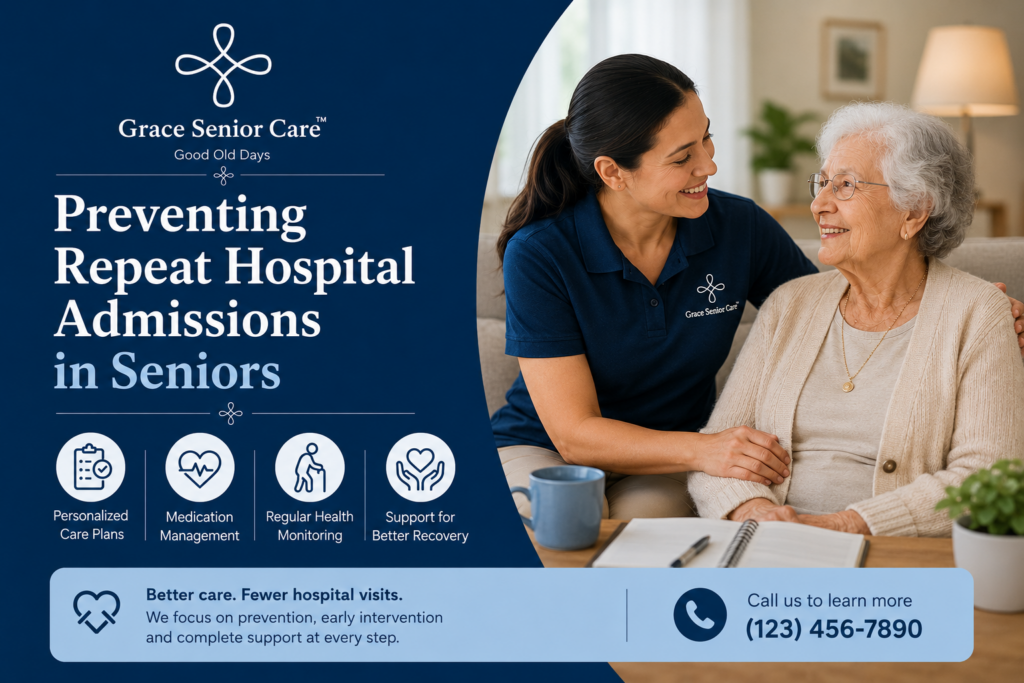
Preventing Repeat Hospital Admissions in Seniors
A hospital stay can be exhausting for anyone, but for older adults, the real challenge often begins after they return home. Many families breathe a sigh of relief once a parent is discharged, only to find themselves back in the emergency room days or weeks later. This cycle is more common than people realize, which is why preventing repeat hospital admissions in seniors has become such an important focus for families and caregivers alike.
Why Hospital Readmissions Happen So Often in Older Adults
Understanding hospital readmission prevention for seniors starts with understanding why readmissions happen in the first place. Common causes include missed medications, unmanaged chronic conditions, poor follow-up care, inadequate support at home, and complications that go unnoticed until they become severe. Seniors often leave the hospital with multiple new prescriptions, dietary restrictions, and care instructions — and without proper support, it’s easy for things to slip through the cracks.
So, how to prevent hospital readmissions in older adults? It comes down to careful planning, consistent monitoring, and making sure the transition from hospital to home is smooth rather than abrupt.
The Importance of Discharge Planning for Elderly Patients
One of the most critical steps in senior hospital readmission prevention is proper discharge planning for elderly patients. Before a parent even leaves the hospital, families should ensure they clearly understand:
- All medications, including dosages and potential side effects
- Follow-up appointments and who is responsible for scheduling them
- Warning signs that require immediate medical attention
- Dietary or mobility restrictions during recovery
- Who will be available to help at home during the first few critical days
A rushed or unclear discharge process is one of the biggest contributors to early readmission, so taking time to ask questions before leaving the hospital can make a real difference.
Reducing Hospital Readmissions Through Transitional Care
Transitional care for seniors bridges the gap between hospital treatment and full recovery at home. This might include a nurse visiting within 48 hours of discharge, a follow-up call from a care coordinator, or a structured recovery plan that outlines what to expect week by week. Families focused on reducing hospital readmissions in older adults often find that this short window immediately after discharge is when the most careful attention is needed.
Without this kind of structured support, small issues, like a missed medication dose or unnoticed swelling, can quickly escalate into something that lands a parent right back in the hospital.
Elderly Care After Hospital Discharge
Good elderly care after hospital discharge isn’t just about physical recovery, it’s about creating an environment where healing can actually happen safely. This includes:
- Ensuring medications are organized and taken correctly
- Monitoring for signs of infection, confusion, or worsening symptoms
- Helping with mobility to prevent falls during recovery
- Ensuring proper nutrition and hydration
- Keeping a close eye on emotional wellbeing, since recovery can be isolating
Post-hospital care for seniors works best when it’s consistent and attentive, rather than a one-time check-in after discharge.
The Role of Home Care After Hospitalization
Many families turn to home care for elderly after hospital discharge as a way to bridge the gap between hospital care and full independence. Having a trained caregiver present during recovery can catch early warning signs before they become emergencies, ensure medications are taken properly, and provide the kind of consistent supervision that prevents small setbacks from becoming major health crises.
This is especially valuable in the first two to three weeks after discharge, which is typically when the risk of readmission is highest.
Preventing Rehospitalization in Seniors Through Geriatric Care
Geriatric care to prevent readmissions takes a more specialized approach, focusing on the unique needs of ageing bodies. Geriatric specialists understand how multiple chronic conditions interact, how medications can affect seniors differently, and how to create realistic recovery plans that account for mobility, cognition, and overall frailty.
Preventing rehospitalization in seniors often requires this kind of specialized attention, rather than a generic recovery plan that doesn’t account for age-related complexities.
Building a Strong Support System for Senior Care After Hospitalization
Ultimately, successful senior care after hospitalization depends on having a reliable support system in place. This might mean coordinating between family members, hiring professional caregivers, or working with a geriatric care team to ensure nothing falls through the cracks during recovery. The goal isn’t just to avoid another hospital visit, it’s to help your parents recover fully, safely, and with dignity.
How Grace Senior Care Can Help
Recovering safely after a hospital stay requires attentive, knowledgeable support, and that’s exactly what Grace Senior Care provides. Their team helps families navigate discharge planning, arrange proper post-hospital care, and put the right support systems in place to reduce the risk of readmission.
Grace Senior Care
📍 Address: 50/24, Banashankri 6th Phase, Hemmigepura, Bangalore 560060
📞 Contact: 1800-10-20-21
✉️ Email: wecare@gracevive.com
Frequently Asked Questions
- What is the most common cause of hospital readmission in seniors? Missed medications and lack of proper follow-up care are among the leading causes of early readmission.
- How soon after discharge should a senior have a follow-up appointment? Ideally within the first 7 days, though some conditions may require earlier check-ins within 48 hours.
- Can home care really reduce hospital readmissions? Yes, having consistent supervision at home helps catch complications early, before they require emergency care.
- What questions should families ask before a parent is discharged? Ask about medications, warning signs to watch for, follow-up appointments, and who will help at home.
- Is transitional care different from regular home care? Yes, transitional care is short-term and recovery-focused, while home care can be ongoing and broader in scope.


