


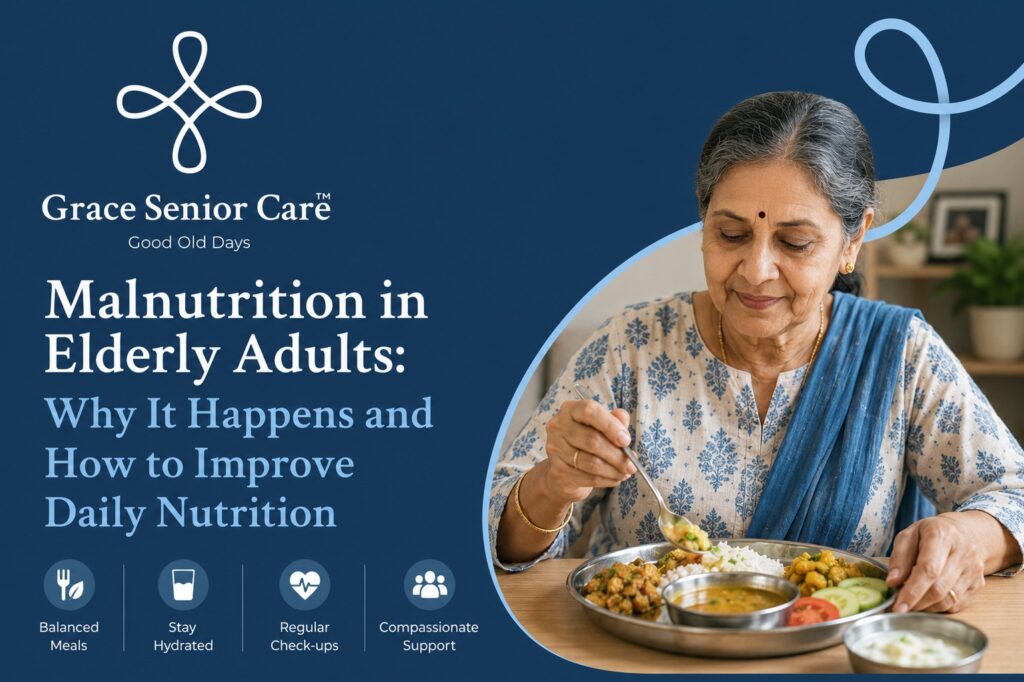
Malnutrition in Elderly Adults: Why It Happens and How to Improve Daily Nutrition
As people age, maintaining proper health becomes more dependent on balanced eating habits and consistent nutrient intake. However, malnutrition in older adults is becoming increasingly common due to physical, emotional, and lifestyle-related challenges. Many seniors may eat less, skip meals, or fail to consume the nutrients their body requires, leading to weakness, poor immunity, fatigue, and slower recovery from illness.
Understanding Malnutrition Why it happens and learning practical ways to improve eating habits can help elderly adults maintain strength, independence, and overall wellness. A proper Daily nutrition guide can make a significant difference in quality of life and long-term health.
What Is Malnutrition in Older Adults?
Malnutrition occurs when the body does not receive the right amount of nutrients needed for normal functioning. This may involve inadequate calories, protein, vitamins, minerals, or fluids. In seniors, malnutrition often develops gradually and may go unnoticed until symptoms become severe.
Malnutrition in older adults can lead to:
- Muscle weakness
- Weight loss
- Reduced immunity
- Increased risk of falls
- Delayed wound healing
- Fatigue and low energy
- Memory and concentration issues
A healthy body requires proper daily nutrition to maintain bones, muscles, organs, and immune function, especially during aging.
Malnutrition: Why Does It Happens in Elderly Adults ?
There are several reasons why older adults may struggle with proper nutrition. Understanding these causes is the first step toward prevention and recovery.
1.Reduced Appetite – Aging and certain medications can reduce hunger and affect taste, leading to poor nutrition intake per day.
2.Difficulty Chewing or Swallowing – Dental problems or swallowing difficulties can make eating healthy foods uncomfortable.
3.Chronic Health Conditions – Diseases like diabetes, arthritis, and dementia can affect appetite and nutrient absorption.
4.Emotional and Mental Health Issues – Depression, loneliness, and anxiety may reduce interest in eating regularly.
Limited Mobility – Difficulty shopping or cooking can lead seniors to skip meals or depend on unhealthy foods.
Financial Challenges – Limited income may reduce access to nutritious meals and proper daily nutrition.
Medication Side Effects – Some medicines can cause nausea, dry mouth, or appetite loss, affecting nutrition intake.
Signs of Malnutrition in Elderly Adults
Recognizing symptoms early helps prevent complications. Common warning signs include:
- Sudden weight loss
- Loose-fitting clothes
- Weakness and tiredness
- Frequent illness or infections
- Poor wound healing
- Hair thinning
- Swelling in legs or feet
- Lack of appetite
- Mood changes
Family members and caregivers should monitor eating habits and body weight regularly.
Importance of Daily Nutrition for Seniors
Good daily nutrition supports healthy aging and helps seniors maintain energy, independence, and immunity. A balanced diet improves:
Muscle strength, Bone health, Heart function, Brain health, Digestion, Recovery from illness
The body requires the right combination of carbohydrates, proteins, healthy fats, vitamins, minerals, and hydration every day.
Nutrition Intake Per Day for Elderly Adults
The required nutrition intake per day may vary depending on age, health condition, activity level, and gender. However, most elderly adults benefit from nutrient-rich meals that include a healthy daily nutrition plan for seniors that should include protein for muscle strength, calcium and vitamin D for bone health, fiber for better digestion, and healthy fats for heart and brain function. Foods like eggs, fish, dairy products, fruits, vegetables, whole grains, nuts, and healthy oils provide essential nutrients. Proper hydration is also important to prevent dehydration in older adults.
How to Improve Daily Nutrition in Elderly Adults ?
Families and caregivers can improve daily nutrition in elderly adults by encouraging small, frequent meals and nutrient-rich foods like fruits, vegetables, protein, and whole grains. Soft foods such as soups, oatmeal, and mashed vegetables can help seniors with chewing difficulties. Attractive meal presentation and social eating may improve appetite, while light exercise can support digestion and muscle health. Regular weight monitoring helps detect nutritional problems early. In some cases, doctors may recommend daily nutrition supplements like protein, calcium, or multivitamins to support overall health.
Daily Nutrition Supplements for Seniors
Certain elderly adults may benefit from nutritional support products when regular meals are insufficient. Common daily nutrition supplements include:
- Protein powders
- Meal replacement drinks
- Calcium supplements
- Vitamin D tablets
- Omega-3 supplements
- Multivitamins
These supplements can help improve energy levels and nutrient balance when combined with a healthy diet.
How to Prevent Malnutrition in Elderly Adults ?
Understanding How to prevent malnutrition is essential for long-term elderly care. Prevention strategies should begin early and continue consistently.
To support healthy aging and prevent malnutrition, elderly adults should follow balanced eating habits and regular health routines. Every meal should include protein, vegetables, whole grains, healthy fats, and adequate fluids to ensure proper nutrition intake. Maintaining a fixed meal schedule can help seniors eat consistently throughout the day and avoid skipping meals. Addressing dental problems quickly through regular checkups is also important, as chewing difficulties can reduce food intake. Emotional well-being plays a major role in appetite and overall health, so social interaction and family support are essential. Chronic illnesses should be managed properly with regular medical supervision to reduce nutritional complications. In addition, routine health checkups and screenings can help identify deficiencies early and support better daily nutrition in older adults.
Daily nutrition guide for healthy aging
A practical Daily nutrition guide for healthy aging should include balanced meals and regular hydration throughout the day. Elderly adults can start the morning with warm water or herbal tea, followed by a protein-rich breakfast with fruits or nuts. Healthy snacks like yogurt, smoothies, or bananas between meals help maintain energy levels. Lunch should include whole grains, vegetables, and lean protein or lentils, while evening snacks can include soup, nuts, or healthy crackers. Dinner should be light yet nutritious, with vegetables, protein, and adequate fluids. Before bed, milk or a healthy protein drink may help support overall daily nutrition and strength. Consistency in healthy eating habits is important for maintaining energy, immunity, and wellness in older adults.
Role of Family Members and Caregivers
Caregivers play an important role in improving elderly nutrition. They can:
- Prepare balanced meals
- Encourage hydration
- Monitor appetite changes
- Assist with grocery shopping
- Provide emotional support
- Ensure proper medication management
Simple attention to eating habits can significantly reduce the risk of malnutrition in older adults.
Conclusion
Malnutrition in older adults is a common but preventable health issue caused by changes in appetite, digestion, and nutrient absorption with age. Maintaining proper daily nutrition through balanced meals, hydration, physical activity, and emotional support can improve overall health and energy levels. Understanding how to improve daily nutrition and prevent malnutrition helps seniors stay active, independent, and healthier for longer.
CONTACT US
Address : 50/24, Banashankri 6th phase, Hemmigepura, Bangalore 560060
Contact : 1800-10-20-21
Mail id :wecare@gracevive.com
FAQs
1.What is malnutrition in older adults?
Malnutrition in older adults occurs when seniors do not get enough nutrients, calories, or fluids needed for good health.
2. What causes malnutrition in elderly adults?
Common causes include reduced appetite, chronic illnesses, dental problems, medication side effects, loneliness, and difficulty preparing meals.
3. How can daily nutrition be improved for seniors?
Daily nutrition can be improved through balanced meals, small frequent snacks, hydration, physical activity, and nutrient-rich foods.
4. What foods are best for elderly nutrition?
Foods rich in protein, fiber, calcium, healthy fats, fruits, vegetables, and whole grains are important for healthy aging.
5. Why is hydration important for older adults?
Older adults may not feel thirsty regularly, increasing the risk of dehydration, weakness, and other health problems.
6. Are daily nutrition supplements necessary for seniors?
Some seniors may benefit from supplements like protein, calcium, vitamin D, or multivitamins if recommended by a doctor.


