


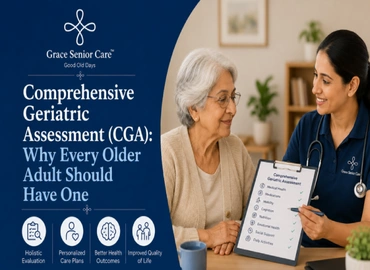
Comprehensive Geriatric Assessment (CGA): Why Every Older Adult Should Have One
When it comes to healthcare for ageing parents, a standard checkup often isn’t enough. Older adults face a unique combination of physical, mental, and social factors that all interact with one another, and a quick 15-minute doctor’s visit rarely captures the full picture. This is where a Comprehensive Geriatric Assessment comes in, a detailed, multi-dimensional evaluation designed specifically to understand how an older adult is truly doing, not just physically, but mentally and emotionally too.
What Is a Comprehensive Geriatric Assessment?
A Comprehensive Geriatric Assessment is a structured evaluation that looks at multiple areas of an older adult’s life simultaneously, including physical health, cognitive function, emotional wellbeing, mobility, nutrition, and social support. Unlike a typical checkup that focuses on one or two specific concerns, this assessment takes a step back to look at the bigger picture, identifying issues that might otherwise be missed until they become serious problems.
It’s often conducted by a team of healthcare professionals, sometimes including a geriatrician, nurse, social worker, and physical therapist, working together to build a complete understanding of an older adult’s needs.
Why Geriatric Assessment for Older Adults Matters
The value of geriatric assessment for older adults lies in its ability to catch problems early, before they escalate into emergencies. As people age, health issues rarely exist in isolation. A medication side effect might cause dizziness, which increases fall risk, which then leads to reduced mobility, which can trigger depression or social withdrawal. A comprehensive assessment looks at these connections rather than treating each symptom separately.
This kind of thorough evaluation is particularly important for seniors who:
- Are managing multiple chronic conditions
- Take several medications daily
- Have experienced recent falls or hospitalizations
- Show signs of memory changes or confusion
- Have started needing more help with daily activities
Key Benefits of Comprehensive Geriatric Assessment
There are several benefits of comprehensive geriatric assessment that make it worth prioritizing, even for seniors who seem relatively healthy on the surface.
Early detection of hidden issues. Many age-related problems, like early cognitive decline, depression, or malnutrition, don’t show obvious symptoms until they’re fairly advanced. A CGA helps catch these earlier.
Personalized care planning. Rather than a generic treatment approach, a comprehensive assessment creates a care plan tailored specifically to that individual’s needs, strengths, and challenges.
Reduced hospitalizations. By identifying risk factors early, families and doctors can address issues proactively, often preventing the kind of health crises that lead to emergency room visits.
Better medication management. With input from multiple specialists, a CGA often reveals medication interactions or unnecessary prescriptions that may be contributing to fatigue, confusion, or other symptoms.
Improved quality of life. Because the assessment considers emotional and social wellbeing alongside physical health, it often leads to recommendations that genuinely improve day-to-day happiness, not just clinical outcomes.
How It Differs from a Standard Elderly Health Assessment
While any elderly health assessment is valuable, a comprehensive geriatric assessment goes several steps further. A standard checkup might check blood pressure, review basic bloodwork, and ask general health questions. A CGA, on the other hand, evaluates cognitive function through specific screening tools, assesses fall risk with mobility tests, reviews nutritional status, and even considers social factors like isolation or caregiver support.
This broader lens is especially important because many older adults don’t volunteer information about struggles they’re facing, whether out of pride, fear, or simply not realizing it’s relevant to their doctor.
The Role of Senior Health Checkup in Preventive Care
A regular senior health checkup is a great starting point, but pairing it with a comprehensive assessment ensures nothing slips through the cracks. Think of a standard checkup as a snapshot, while a CGA is closer to a full, connected picture of how all aspects of health are interacting with one another.
For families trying to understand why a parent seems “different” lately, whether it’s increased forgetfulness, unexplained fatigue, or reduced mobility, a comprehensive assessment often provides answers that a routine visit simply can’t.
Supporting Healthy Ageing for Seniors
Ultimately, the goal of a Comprehensive Geriatric Assessment is to support healthy ageing for seniors, not just by treating existing conditions, but by proactively identifying risks and building a plan that helps older adults stay as independent, active, and engaged as possible for as long as possible.
Ageing well isn’t just about avoiding illness, it’s about maintaining strength, mental clarity, emotional wellbeing, and a sense of purpose. A comprehensive assessment considers all of these factors together, which is exactly why it’s becoming an increasingly recommended part of senior healthcare.
How Grace Senior Care Can Help
Navigating comprehensive geriatric assessments and understanding what the results mean for your parent’s care can feel overwhelming. Grace Senior Care helps families access thorough health evaluations and translates the findings into practical, personalized care plans that support long-term wellbeing.
Grace Senior Care
📍 Address: 50/24, Banashankri 6th Phase, Hemmigepura, Bangalore 560060
📞 Contact: 1800-10-20-21
✉️ Email: wecare@gracevive.com
Frequently Asked Questions
- How long does a Comprehensive Geriatric Assessment take? It typically takes one to two hours, depending on how many areas of health are being evaluated.
- At what age should someone consider a geriatric assessment? Most experts recommend it starting around age 65, especially for those with multiple health conditions.
- Is a Comprehensive Geriatric Assessment covered by insurance? Coverage varies depending on the provider and location, so it’s best to check directly with your insurance company.
- Who typically conducts a geriatric assessment? It’s usually a team effort involving geriatricians, nurses, social workers, and sometimes physical or occupational therapists.
- How often should a senior have a comprehensive assessment done? This depends on individual health needs, but annually is a common recommendation for older adults with chronic conditions.


