


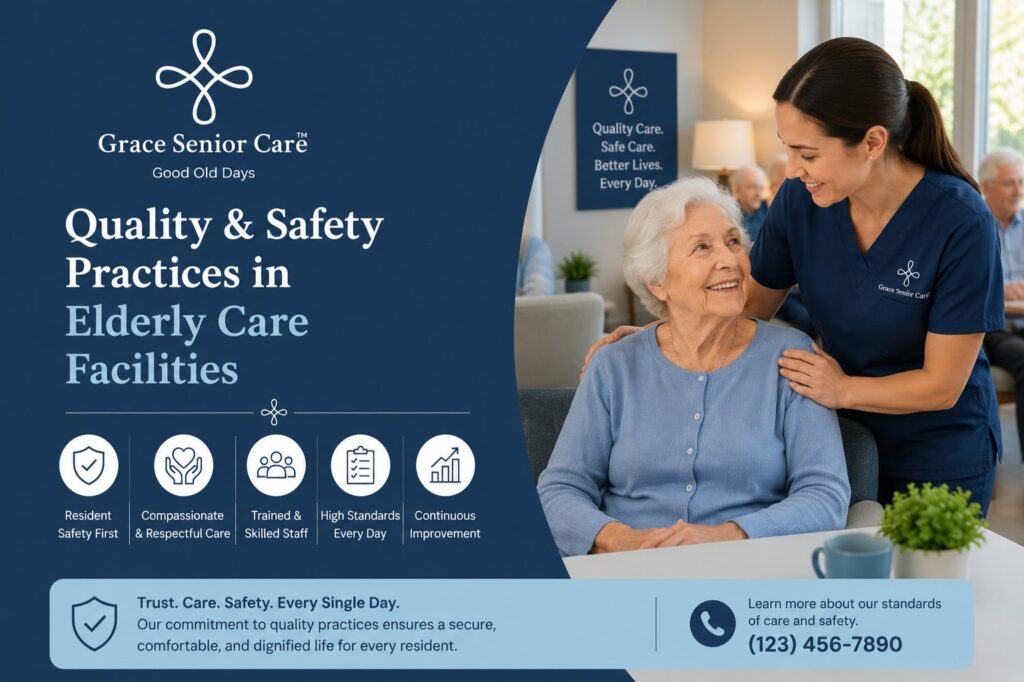
Quality & Safety Practices in Elderly Care Facilities
Ensuring quality and safety in elderly care facilities is one of the most important aspects of modern healthcare systems. As the global population ages, the demand for reliable and compassionate elderly care facilities continues to grow. Families expect not only comfort and dignity for their loved ones but also strict adherence to safety standards and high-quality care practices. This is where structured elderly care safety practices and well-defined clinical protocols play a vital role.
This article explores how Quality & Safety in elderly care facilities can be maintained through systematic processes, trained caregivers, and a strong culture of accountability.
Understanding the Importance of Elderly Care Facilities
Modern elderly care facilities are designed to support seniors who may require assistance with daily living, medical supervision, or specialized care for chronic conditions such as dementia, diabetes, or mobility disorders. These facilities are not just places of residence—they are structured care environments where safety, dignity, and emotional well-being are equally prioritized.
However, with age-related vulnerabilities such as reduced mobility, weakened immunity, and cognitive decline, maintaining elderly care facility safety becomes a critical responsibility.
Patient Safety in Elderly Care: A Core Priority
At the heart of every care home is patient safety in elderly care. This involves preventing accidents, reducing medical errors, and ensuring that residents are protected from harm.
Common risks in elderly care include:
- Falls due to mobility issues or slippery surfaces
- Medication errors or incorrect dosages
- Pressure injuries from prolonged immobility
- Infections due to weakened immune systems
- Cognitive-related risks such as wandering or confusion
To mitigate these risks, care facilities implement structured safety protocols, staff training programs, and continuous monitoring systems.
Elderly Care Safety Practices That Make a Difference
Strong elderly care safety practices are essential for maintaining a secure environment. These practices are designed to proactively prevent harm rather than react after incidents occur.
1. Fall Prevention Strategies
Falls are one of the most common causes of injury among seniors. Facilities use:
- Non-slip flooring
- Handrails in hallways and bathrooms
- Mobility aids such as walkers and wheelchairs
- Regular physical assessments
2. Medication Management Systems
Proper medication handling is critical for elderly residents. Digital tracking systems and double-verification protocols ensure correct dosage and timing, reducing human error.
3. Infection Control Measures
Strict hygiene standards, regular sanitization, and isolation protocols help prevent the spread of infections, especially in shared living environments.
4. Emergency Response Systems
Quick-response systems such as nurse call buttons and 24/7 monitoring ensure immediate assistance during emergencies.
5. Staff Training and Awareness
Caregivers are trained regularly in first aid, CPR, dementia care, and emergency handling procedures, strengthening overall Senior Safety in Care Homes.
Enhancing Senior Safety in Care Homes
Creating a safe environment goes beyond physical infrastructure. Senior Safety in Care Homes also involves emotional and psychological well-being.
Emotional Safety Loneliness and depression are common among elderly residents. Group activities, counseling sessions, and family engagement programs help maintain emotional stability.
Cognitive Safety For residents with dementia or Alzheimer’s, secure environments with controlled exits, memory-support programs, and familiar routines reduce confusion and anxiety.
Nutritional Safety Balanced diets tailored to individual health conditions ensure proper nutrition and prevent complications such as malnutrition or diabetes-related issues.
Elderly Care Facility Safety: Infrastructure and Design
The physical design of elderly care facilities plays a major role in safety outcomes. A well-designed facility minimizes risks and enhances accessibility.
Key design features include:
- Wheelchair-friendly corridors and ramps
- Adequate lighting in all areas
- Grab bars in bathrooms and showers
- Emergency exits with clear signage
- Bedside safety rails for high-risk patients
These structural elements significantly improve elderly care facility safety by reducing environmental hazards.
Role of Technology in Quality & Safety in Elderly Care Facilities
Technology is transforming Quality & Safety in elderly care facilities by improving monitoring, communication, and response times.
Electronic Health Records (EHR)
Digital records ensure accurate tracking of medical history, allergies, and medications, reducing errors.
Wearable Health Devices
Devices that monitor heart rate, oxygen levels, and movement help caregivers respond quickly to health changes.
AI-Based Monitoring Systems
Artificial intelligence tools can detect unusual movement patterns, falls, or distress signals in real time.
Telemedicine Services
Remote consultations with doctors reduce the need for frequent hospital visits and ensure continuous medical supervision.
Building a Culture of Safety and Quality
While systems and tools matter, the true foundation of Quality & Safety in elderly care facilities lies in a strong organizational culture. Leadership commitment ensures safety is prioritized at every level, while continuous staff training keeps caregivers updated on best practices. Transparent reporting systems encourage early risk identification and improvement, and active family involvement builds trust and accountability in care delivery.
Challenges in Maintaining Elderly Care Safety
Despite advancements, several challenges remain:
- Staff shortages in care homes
- High cost of advanced safety technologies
- Varying levels of caregiver training
- Increasing complexity of patient health conditions
Addressing these challenges requires investment, policy support, and continuous improvement in elderly care safety practices.
The Future of Senior Safety in Care Homes
The future of Senior Safety in Care Homes is moving toward more personalized and technology-driven care. Predictive analytics, robotics, and smart home integrations will further enhance safety and independence for elderly residents.
Care models are also shifting from institutional care to hybrid systems that combine home-based care with facility support, ensuring flexibility and comfort.
Conclusion
Ensuring Quality & Safety in elderly care facilities is essential to protect seniors’ dignity and well-being. Strong patient safety in elderly care, trained caregivers, and effective elderly care safety practices create a safe and reliable care environment.
CONTACT US
Address : 50/24, Banashankri 6th phase, Hemmigepura, Bangalore 560060
Contact : 1800-10-20-21
Mail id : wecare@gracevive.com
FAQs
-
Why is patient safety in elderly care important?
Patient safety in elderly care is crucial because older adults are more vulnerable to injuries, infections, and medical complications. Ensuring safety helps improve their quality of life and overall well-being.
-
How do elderly care facilities ensure safety for residents?
Elderly care facilities ensure safety through trained staff, regular health monitoring, secure infrastructure, hygiene protocols, and the use of technology like monitoring devices and alert systems.
-
What role do caregivers play in elderly care facility safety?
Caregivers are central to safety as they provide daily assistance, monitor health conditions, administer medications, and respond quickly to emergencies.
-
What is meant by Senior Safety in Care Homes?
Senior Safety in Care Homes refers to creating a secure environment that protects elderly residents physically, emotionally, and medically.
-
How can families evaluate the safety of elderly care facilities?
Families can assess safety by checking staff qualifications, cleanliness, emergency preparedness, patient reviews, and overall facility infrastructure.


