
As populations age worldwide, healthcare systems are facing a critical transformation. The increasing number of older adults brings unique medical, social, and emotional challenges that cannot be addressed through fragmented or episodic care. This shift has made integrated care in geriatrics not just important, but essential. By combining medical expertise with coordinated support systems, modern geriatric healthcare services are evolving to create a more responsive and age friendly healthcare system that prioritizes dignity, independence, and quality of life.
Understanding the Need for Integrated Geriatric Care
Aging is often accompanied by multiple chronic conditions such as diabetes, hypertension, arthritis, cognitive decline, and mobility issues. Traditional healthcare models, which focus on treating individual diseases in isolation, often fail to address the complex needs of older adults. This is where comprehensive geriatric care plays a vital role.
Integrated care focuses on treating the whole person rather than isolated conditions. It brings together medical professionals, caregivers, and support services to ensure that elderly patient care is continuous, personalized, and efficient. This approach minimizes hospital visits, reduces medication errors, and improves overall health outcomes.
What is an Age-Friendly Healthcare System?
An age-friendly healthcare system is designed to meet the unique needs of older adults by ensuring that services, environments, and policies are accessible, respectful, and tailored to seniors. It focuses on personalized care plans, clear communication between healthcare providers, safe medication management, and maintaining functional independence. Emotional and psychological well-being are also key priorities. By integrating these elements, healthcare providers can greatly improve senior citizen healthcare and support healthy, dignified aging.
The Role of Coordinated Care for Elderly
One of the biggest challenges in treating older adults is the lack of communication between different healthcare providers. Specialists often work independently, leading to fragmented care. Coordinated care for elderly individuals ensures that all aspects of a patient’s health are managed in a synchronized manner.
For example, a senior patient with heart disease, diabetes, and mobility issues may require input from a cardiologist, endocrinologist, physiotherapist, and nutritionist. Without coordination, treatments may conflict or important details may be overlooked. Integrated systems ensure that all professionals collaborate, share patient information, and work toward common health goals.
This approach not only improves clinical outcomes but also enhances patient satisfaction and reduces caregiver stress.
Multidisciplinary Geriatric Care: A Holistic Approach
At the heart of integrated care lies multidisciplinary geriatric care. This model brings together a team of experts from various fields to address the diverse needs of elderly patients. The team typically includes:
- Geriatricians
- Nurses
- Physiotherapists
- Occupational therapists
- Psychologists
- Nutritionists
- Social workers
Each professional contributes their expertise to create a well-rounded care plan. For instance, while a doctor manages medical conditions, a physiotherapist focuses on mobility, and a psychologist addresses mental health concerns such as depression or anxiety.
This collaborative model ensures that geriatric care services go beyond basic treatment and encompass physical, emotional, and social well-being.
Importance of Senior Healthcare Management
Effective senior healthcare management is crucial in ensuring continuity and quality of care. It involves monitoring health conditions, managing medications, scheduling regular check-ups, and providing preventive care.
Technology is playing an increasingly important role in this area. Digital health records, telemedicine, and remote monitoring devices allow healthcare providers to track patient health in real-time. This not only improves efficiency but also ensures timely intervention in case of emergencies.
Moreover, well-structured management systems help families stay informed and involved in the care process, strengthening the support network for elderly individuals.
Benefits of Integrated Geriatric Healthcare Services
The shift toward integrated care offers numerous advantages:
1. Improved Health Outcomes By addressing multiple conditions simultaneously and ensuring coordinated treatment, patients experience better overall health.
2. Reduced Hospitalizations Preventive care and early intervention significantly lower the need for emergency hospital visits.
3. Enhanced Quality of Life With a focus on independence and functional ability, seniors can maintain an active and fulfilling lifestyle.
4. Better Medication Management Integrated systems reduce the risk of overmedication and harmful drug interactions.
5. Stronger Support Systems Families and caregivers receive guidance and support, making it easier to manage long-term care.
Challenges in Implementing Integrated Care
Implementing integrated geriatric care faces several challenges, including a shortage of trained specialists, limited awareness of geriatric healthcare services, and fragmented healthcare systems. Financial constraints also make it difficult for many seniors to access proper care, while resistance to change slows the adoption of integrated models. Addressing these issues requires better policies, increased investment, and greater awareness of the importance of elderly patient care.
The Role of Preventive Care in Geriatrics
Preventive care is a cornerstone of comprehensive geriatric care. Regular health screenings, vaccinations, and lifestyle modifications can prevent or delay the onset of chronic diseases.
Encouraging seniors to adopt healthy habits such as balanced nutrition, physical activity, and mental engagement can significantly improve their well-being. Preventive strategies also reduce healthcare costs and ease the burden on medical systems.
Community and Home-Based Care
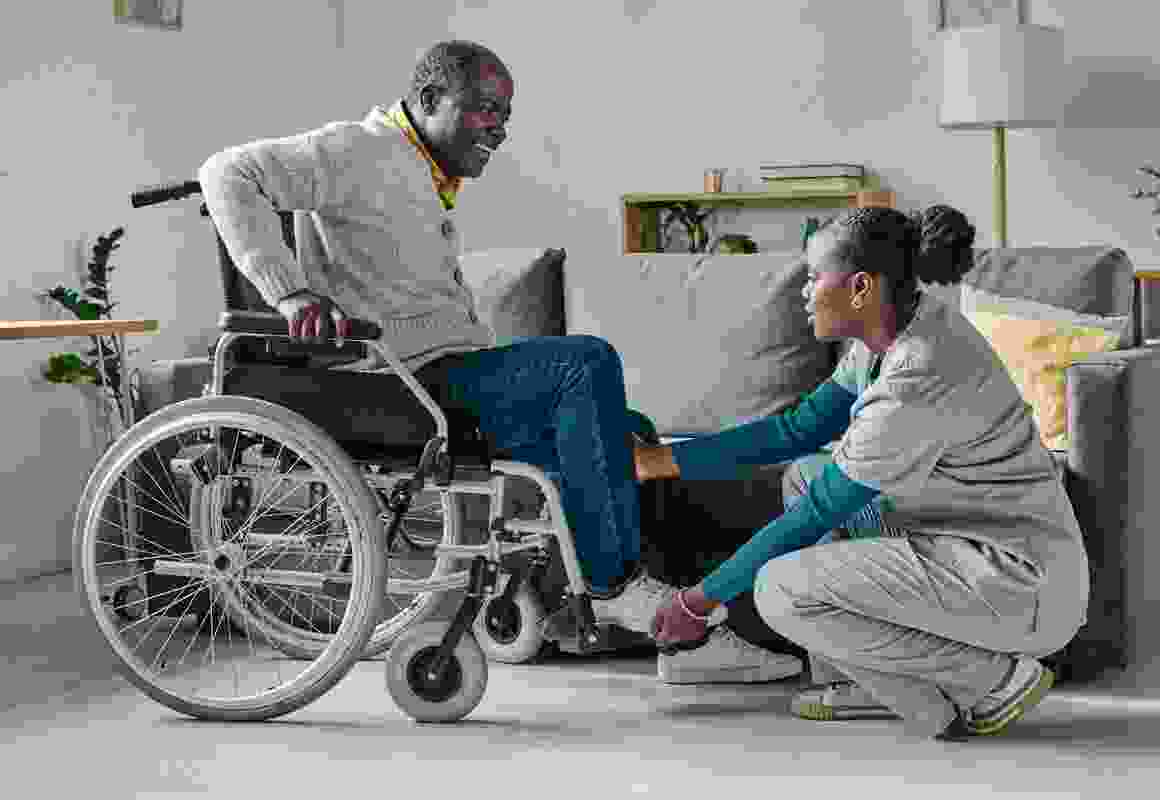
Integrated care extends beyond hospitals and clinics. Community-based and home care services are becoming increasingly important in senior citizen healthcare. These services allow elderly individuals to receive care in familiar environments, promoting comfort and independence.
Home-based care includes:
- Regular health monitoring
- Physiotherapy sessions
- Nursing support
- Assistance with daily activities
Such services are especially beneficial for patients with mobility issues or chronic conditions that require ongoing attention.
The Future of Geriatric Care
The future of geriatric care services lies in innovation and collaboration. Advancements in healthcare technology, such as artificial intelligence and wearable devices, are expected to revolutionize senior healthcare management.
Additionally, governments and healthcare organizations are increasingly recognizing the need for an age-friendly healthcare system. Policies are being developed to improve accessibility, affordability, and quality of care for older adults.
Training more healthcare professionals in geriatrics and promoting awareness about multidisciplinary geriatric care will also play a crucial role in shaping the future.
Conclusion
Integrated geriatric care combines medical expertise and coordinated support to provide holistic elderly patient care. It plays a key role in building an age-friendly healthcare system and helps seniors live with dignity, independence, and better quality of life.
CONTACT US
Address : 50/24, Banashankri 6th phase, Hemmigepura, Bangalore 560060
Contact : 1800-10-20-21
Mail id :wecare@gracevive.com
FAQs
1. What are geriatric healthcare services?
Geriatric healthcare services focus on the medical, emotional, and social needs of older adults, helping manage age-related conditions and improving overall quality of life.
2. Why is integrated care important in elderly patient care?
Integrated care ensures that different healthcare providers work together, offering coordinated and efficient treatment that addresses multiple health issues in seniors.
3. What is comprehensive geriatric care?
Comprehensive geriatric care is a holistic approach that evaluates an elderly person’s physical, mental, and social health to create a personalized care plan.
4. How does an age-friendly healthcare system benefit seniors?
It provides accessible, safe, and respectful care tailored to older adults, promoting independence, better health outcomes, and improved well-being.
5. What is multidisciplinary geriatric care?
It involves a team of healthcare professionals such as doctors, nurses, therapists, and social workers working together to deliver complete care for elderly patients.